

So, how does a recipe actually make the cut around here?
Everything you want to know.

Friends, I get asked this question a lot in my weekly Q&As. The truth is, the answer deserves so much more than a quick sentence or two in Stories. The answer is not simple, and it is definitely not as effortless as it might look from the outside.
So today I’m pulling back the curtain all the way. Not just on how I come up with ideas, but on the whole thing—the inspiration, the decision-making, the testing, the tasting, the scrapping, the refining, and everything that happens before a recipe ever lands on your feed or your dinner table.
I think a lot of people assume I wake up, have a cute idea, film it, post it, and boom, I’m done. And while I wish that were the case, that is not what happens. What you see on Instagram and the blog is the very end of a process that involves a lot of thinking, a lot of pen-and-paper scribbling, a lot of cooking and eating and adjusting, and occasionally starting over completely.
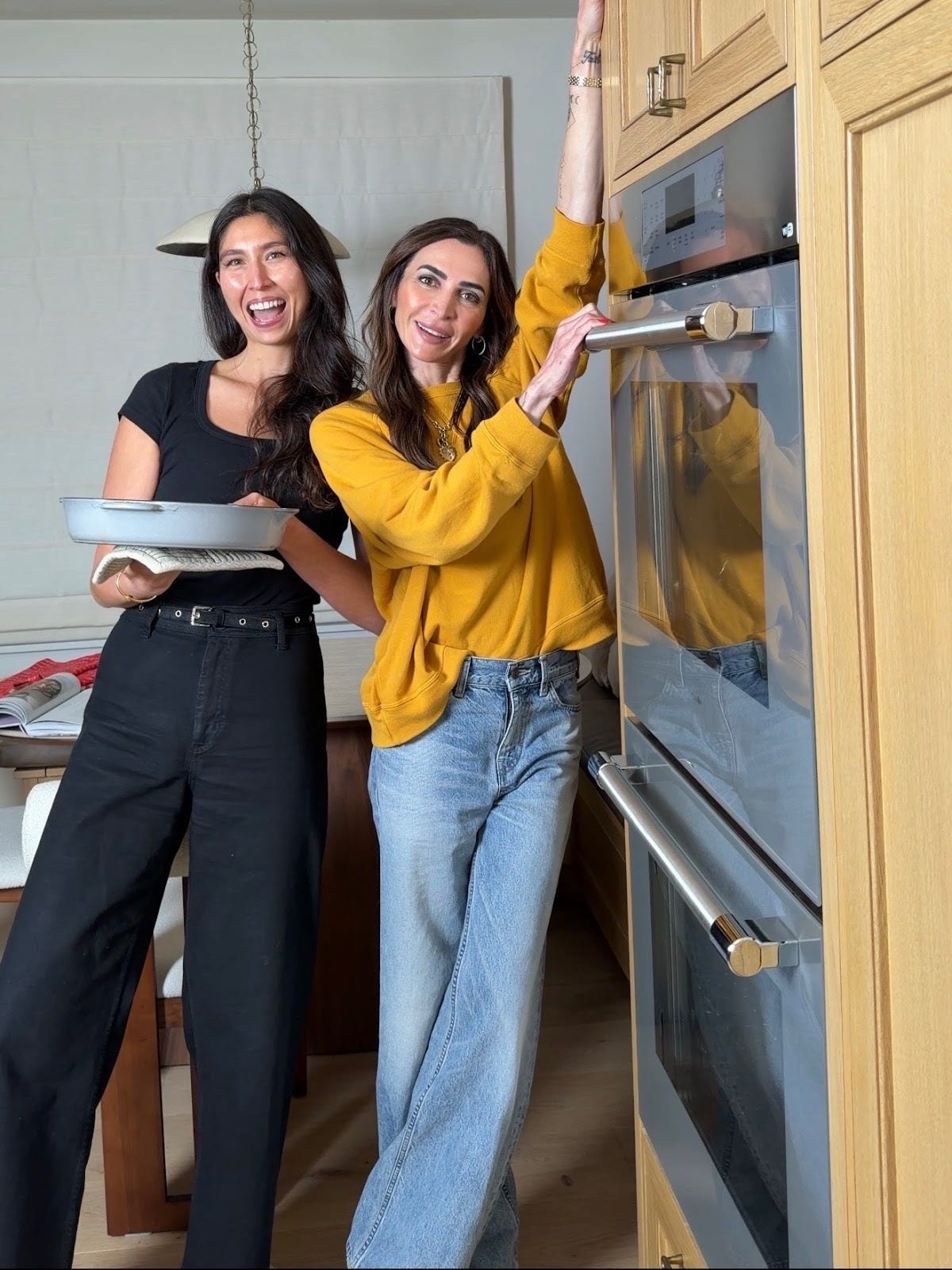

The short answer is they come from a lot of places. But the number one source is always my own cravings. I ask myself, What do I actually want to eat right now? What sounds delicious? What have I been thinking about all week?
I don’t sit down and strategize about SEO or think about what’s going to perform well on the algorithm. That is a very efficient way to make food that tastes mediocre. I make food I actually want to eat, and because I hold high standards for what goes on my own plate, I think that’s a big part of why the recipes land the way they do.
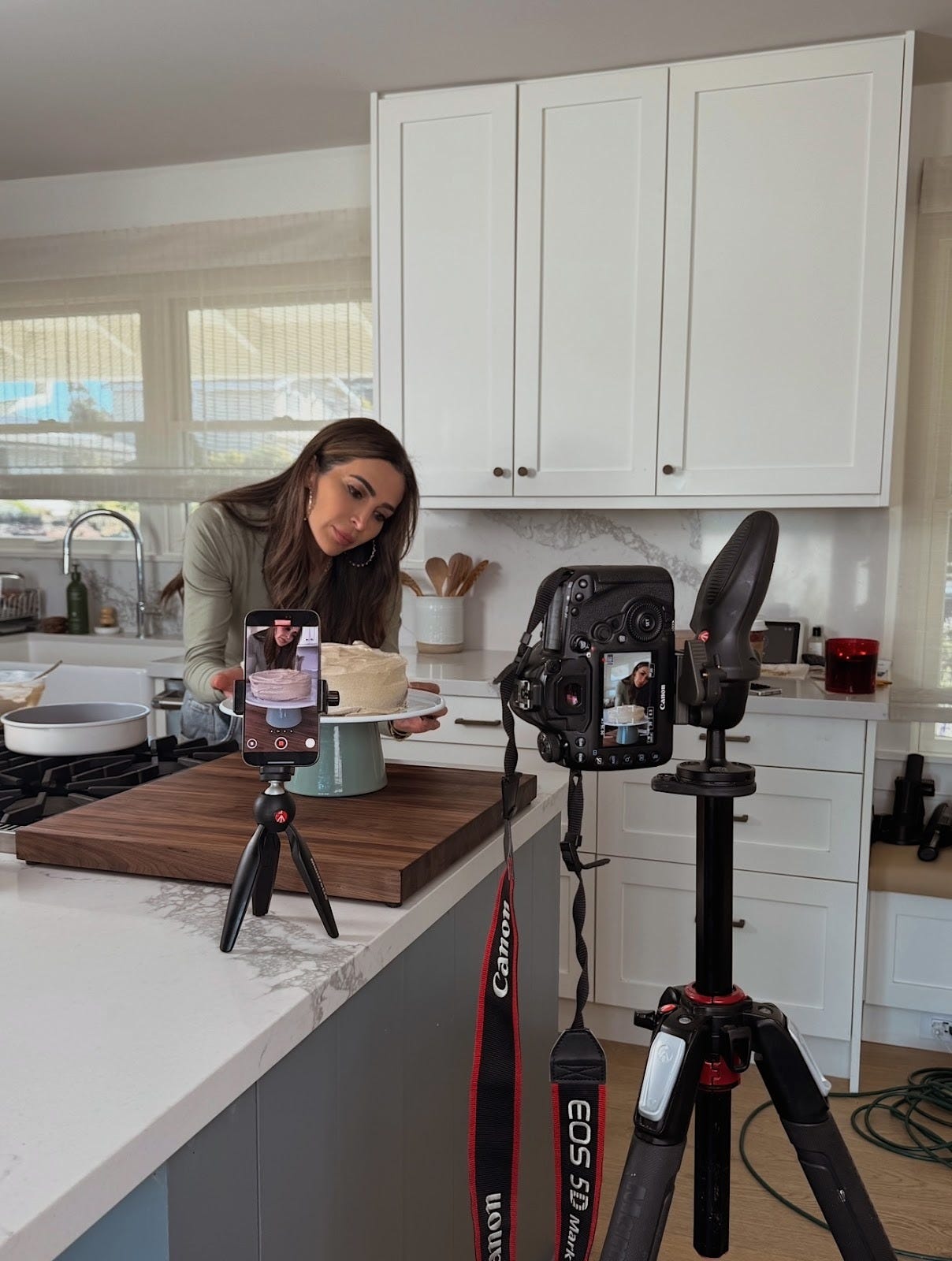
I also think a lot about flavor building— how ingredients work together and what a dish needs to feel complete. Samin Nosrat’s book Salt Fat Acid Heat literally changed the way I approach recipe development. I’m always thinking about balance: Is there enough acid? Is there a fat that ties it together? Does it need more salt or a little sweetness to round it out?
That framework is the backbone of basically every savory recipe I make, even when I’m not consciously thinking about it.
One of my quirks is that some of my best ideas come to me in the middle of the night. I keep a notepad on my nightstand and I will wake up at 2am with a flavor combination in my head and scribble it down before I lose it by morning. It may be slightly unhinged but it works!
Beyond my own cravings, a few other big sources of inspiration include:
Restaurants. Whenever I eat out, half my brain is stockpiling notes for later. From Sweetgreen and Erewhon to nicer spots here in San Francisco and abroad — my Dishoom-inspired Chili Broccoli Salad came directly from eating at that restaurant and spending the entire meal thinking, I have to figure out how to make this at home. The people who eat with me regularly will tell you that this habit is extremely charming, I’m sure!

Trends. I’m on Instagram and TikTok like the rest of you, and when I see a trend, my first thought is almost always: How do I make this better? Not in an arrogant way, but because a lot of viral recipes are more about the concept than the execution. They’re a great starting point, but there’s usually room to make the flavors more layered, the technique more foolproof, or the whole dish more worth your time to actually make.
The KJ community. Every week, I do Q&As on Instagram and people drop recipe requests all the time. You guys have such great ideas. So, the requests that feel like they’ll resonate with a wide range of people, those go on my list to try!
Those are my biggest sources of inspiration, but having an idea is honestly the easy part. The harder question is figuring out which ones are actually worth pursuing. Here’s exactly how I decide…

This is the part people don’t think about as much. Having an idea is easy. Deciding it’s worth the time, the groceries, and the dedicated testing days to actually develop it? That’s where real discernment comes in. Here’s how I think about it:
Do I actually want to eat this? Because I eat everything I make. I don’t develop recipes around ingredients I don’t like, which is why you will never see traditional mayo in my recipes (I am simply not a fan), and you will only ever see dijon mustard, never yellow. I cook food I’m excited to eat, and that rule has kept me from wasting time on recipes that would never feel authentic to who I am anyway.
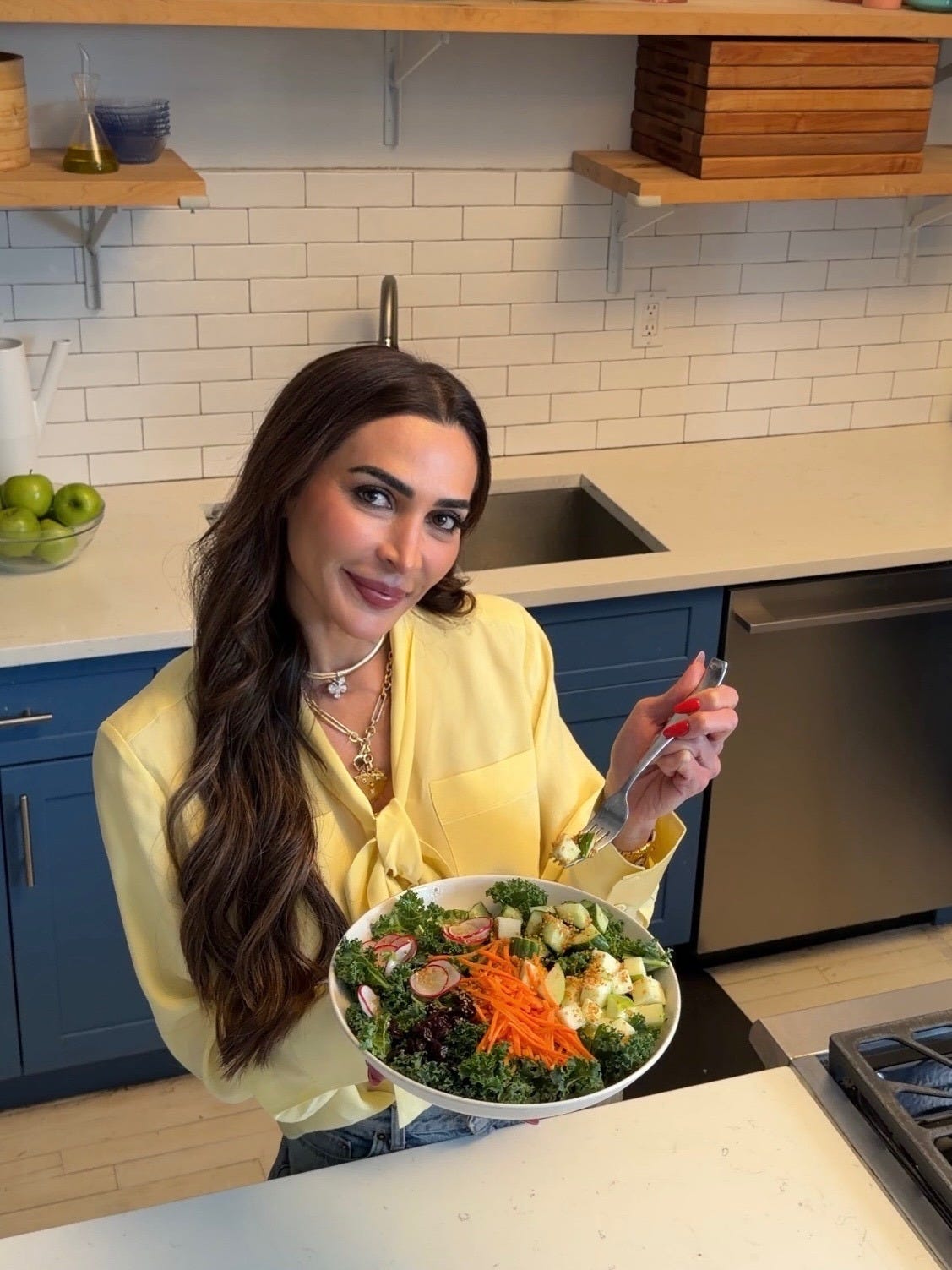
Can a “real” person make this on a weeknight? I’m not cooking for people with four free hours and a full kitchen staff. I’m cooking for busy parents and people who work long days, but people who still want to put something satisfying on a plate.
If a recipe is unnecessarily complicated (too many steps, too many specialty ingredients, too much active time), I’ll find a way to streamline it, or I’ll let it go entirely. The goal is always to make your life easier, not add to your stress.
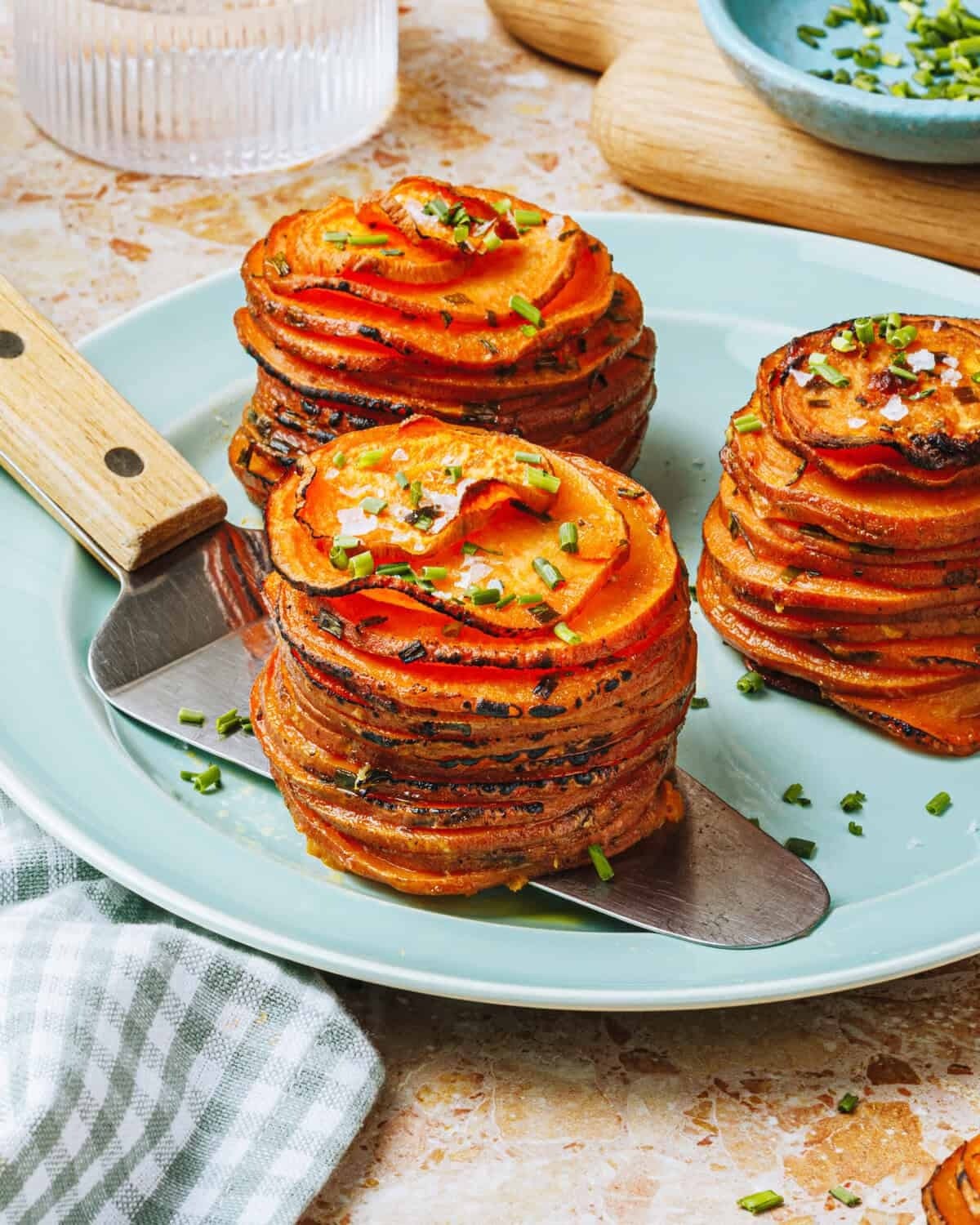
Will it photograph well? Food is visual and we eat with our eyes first. I steer away from recipes that are going to look brown and beige no matter how good they taste, because nobody wants to make something that doesn’t look crave-worthy. When I’m testing, I’m already thinking about garnishes, color, and what angles will work when it comes time to film.
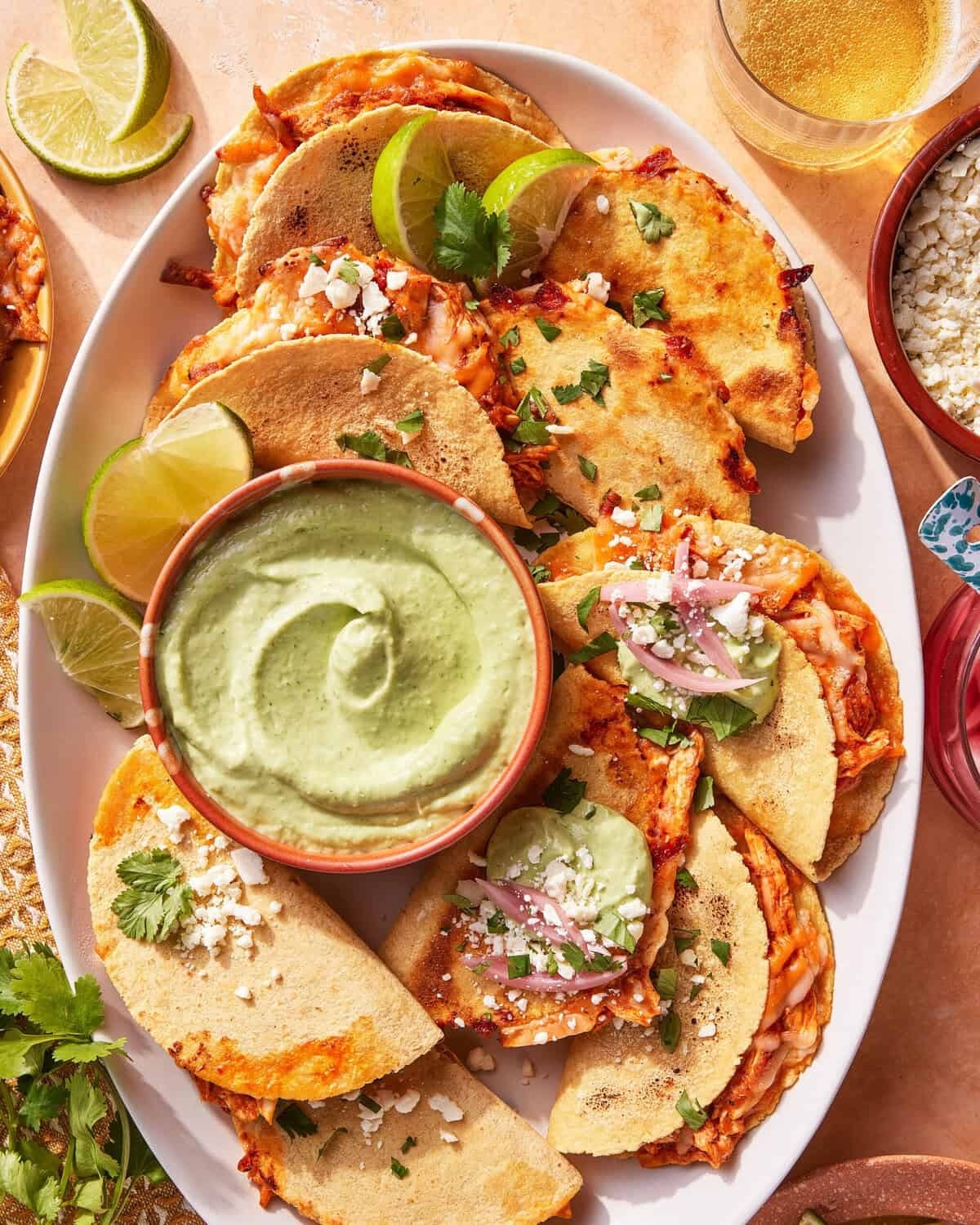
Does it excite me? After years of doing this, I have a pretty strong sense of whether something is going to work before I even start. I’m not in the habit of chasing ideas I’m not confident in. If the concept doesn’t excite me, I don’t get in the habit of forcing it.

This is something I’ve thought about a lot over the years. Kale Junkie is not a diet brand. It’s not a restriction brand. My whole philosophy and the thing that actually healed my relationship with food after years of struggling, is balance. No food is off limits. You can eat nutritious, delicious food and still make room for a slice of cake or a bowl of pasta or whatever your body is actually asking for or craving.
So when I’m deciding if a recipe is “on brand,” I’m asking:
Does this feel like real food that real people actually want to eat?
Is it approachable?
Does it feel good in your body without asking you to deprive yourself of anything?
Easy weeknight dinners, family-friendly meals, things my boys will eat without complaint—these are all my lane, and I stay in it. In the early days of Kale Junkie I shared desserts almost daily. As my community has grown and I’ve learned more about what people actually need from me, I’ve adapted. These days it’s mostly easy dinners, lunches, and the occasional sweet treat. That’s also how I actually eat, so it’s a win-win.

Once I’ve decided something is worth pursuing, I sit down with a pen and paper (yes, actual paper) and write the recipe out. Ingredients, ratios, steps, and so on. I think it through fully before I even walk into the kitchen.
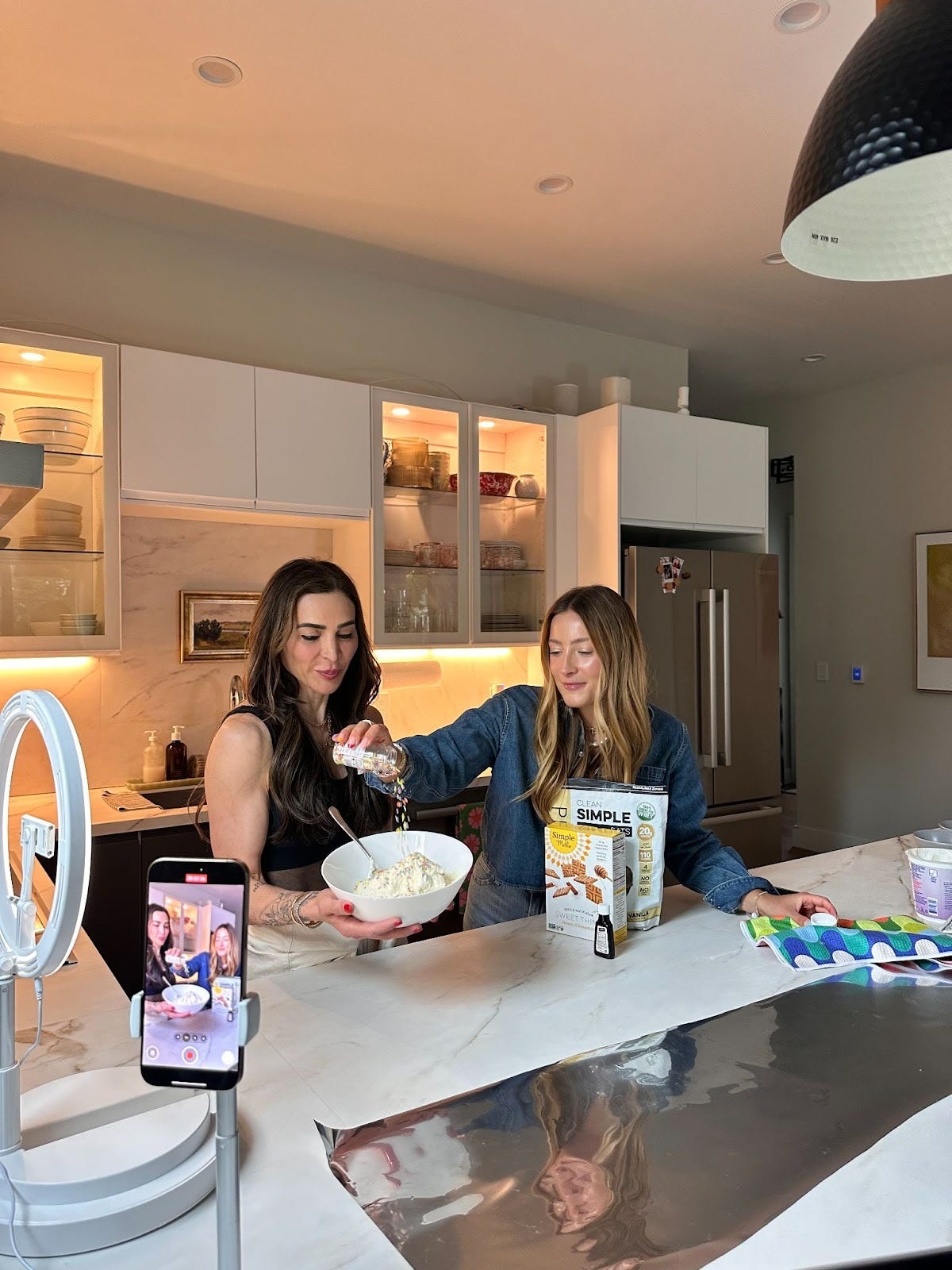
I block out one to two days a week for testing. There are a lot of dirty dishes. My assistant Erika is my closest partner in all of this and she keeps things moving, keeps the dishes from piling up to the ceiling, keeps me well-caffeinated, and is one of the most honest taste testers I have.
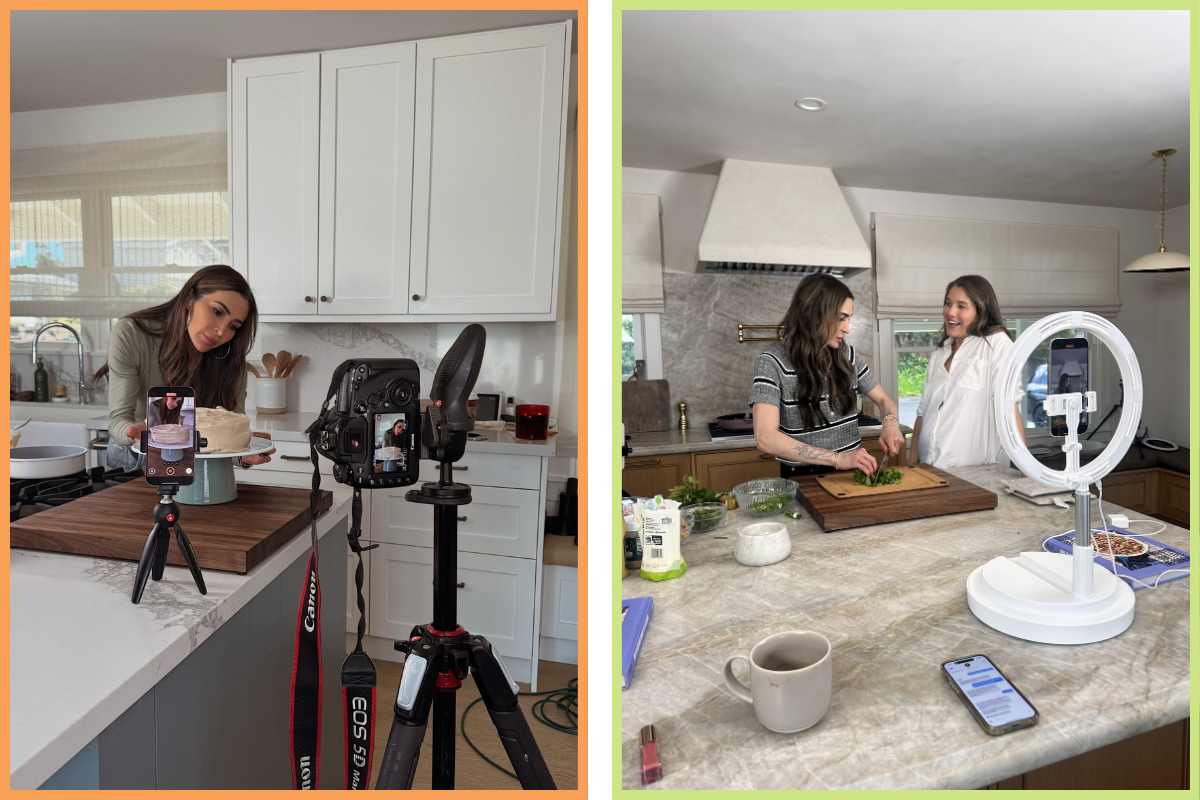
The first test is rarely perfect. Sometimes it’s underseasoned. Sometimes there are too many steps for the average home cook. Sometimes the texture is just off, or a flavor that sounded great in theory doesn’t translate on the plate. But the first round always gives me direction. From there, it’s about refinement. I go back, I adjust, I test again. Most recipes go through two or three rounds before I’m satisfied.
My boys, Gavyn and Hunter are my other official taste testers, and they have absolutely zero chill when it comes to feedback. If they ask for seconds, I know I have a winner. If they make a face, I take note. My boyfriend weighs in too when he’s in town, and together this little crew has collectively pushed me to make things better than I would have on my own.

Actually, a lot less than you’d think. I have a pretty good instinct at this point for what’s going to work before I start. If I test something once and it’s really far off (wrong flavor profile, too fussy, or just not clicking), I drop it right then and there because nobody has time for that.
I have never spent weeks developing something only to kill it. Knowing when to walk away from an idea is just as much a skill as knowing how to develop one.
The one caveat to all of this is food waste, which is something I’ve become much more mindful about over the years. Fresh herbs, extra produce, leftover ingredients from a day of testing—I’ve gotten a lot better about checking my fridge and pantry before buying new things, and making sure nothing goes to waste.
The meals themselves never get thrown away—my boys and I eat them for dinner, I freeze leftovers for nights I don’t feel like cooking, Erika goes home with food, and the neighbors benefit. Sharing is caring over here!

When something is blowing up and I have a version I want to put out, I move fast. Trends have a short window and there’s no point in posting something three weeks after the moment has passed. For these, I film and share quickly, without multiple rounds of testing, as long as I’m confident the recipe is solid and actually worth your time.
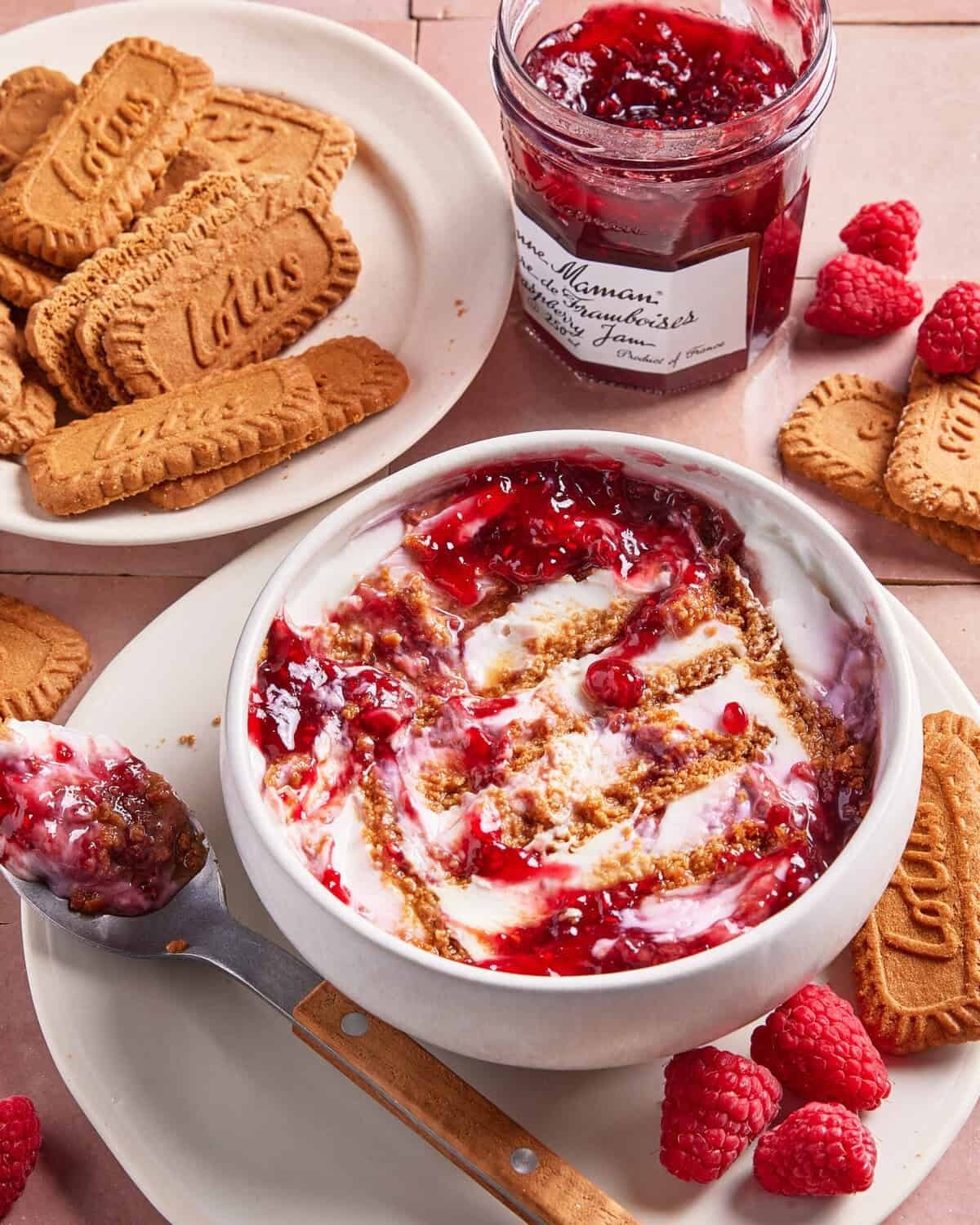
The viral 2-ingredient Japanese cheesecake hack is a perfect example. When that started circulating, my expectations were honestly low, but I tried it, and was completely blown away by how good it was. I put my own spin on it with raspberry jam for a raspberry cheesecake version, posted it, and it got 72K likes on Instagram.

What most people don’t realize is that getting a recipe to a place where I’m happy with it is really just the beginning. Here’s what comes after:
Filming — usually Mondays and Tuesdays, sometimes Thursdays, two to three recipes per day, with grocery orders placed the day before to stay efficient
Editing — one to two hours per video
Scheduling — slotting everything into my content calendar and figuring out what goes up on what day
Posting and engaging — the actual publishing, plus responding to comments and messages
The blog — my photographer shoots it properly, my blog writer crafts the full post, and it takes about a week and a half before it officially lives on kalejunkie.com
What looks like a quick video is the result of days of work across multiple people. I’m not saying this for sympathy, but I think it matters for people to know, because the creator world has a real perception problem around how effortless all of this looks.

Because you ask, and because I think transparency matters. I built this community on honesty. The behind-the-scenes stuff is something I know so many of you are really curious about.
So the next time you make one of my recipes and it turns out great, know that it went through this process. That there were drafts and dirty dishes and honest feedback from two very picky kids and a lot of late nights before it made it to your kitchen.
Have any other questions I didn’t cover? Drop them in the comments!

This was so interesting and I've been in this space for a long time! "Knowing when to walk away from an idea is just as much a skill as knowing how to develop one." <-- Truer words were never spoken.
Same goes from brown/beige food. I feel this so much and for awhile one of my SEO people and I were working closely in the pre pre pre recipe development phase and I finally had to tell her, look, while this may be a great idea and may have a lot of potential, it's ugly to look at and even the top results are all ugly! So I'd rather just not go there and pursue.
So the same goes for ideas and that having one is easy -- but discerning whether it's worth pursuing is really the art.
Also are you really filming 4-6 NEW recipes every single week and cranking out 20ish NEW recipes per month? That's a pace that I dropped in about 2010 lol!